

Buy Factory Automation Products Online At Best Prices
Explore a comprehensive range of factory automation products, including PLCs, HMIs, servo systems, sensors, and control components from trusted industrial brands to improve manufacturing efficiency and productivity.
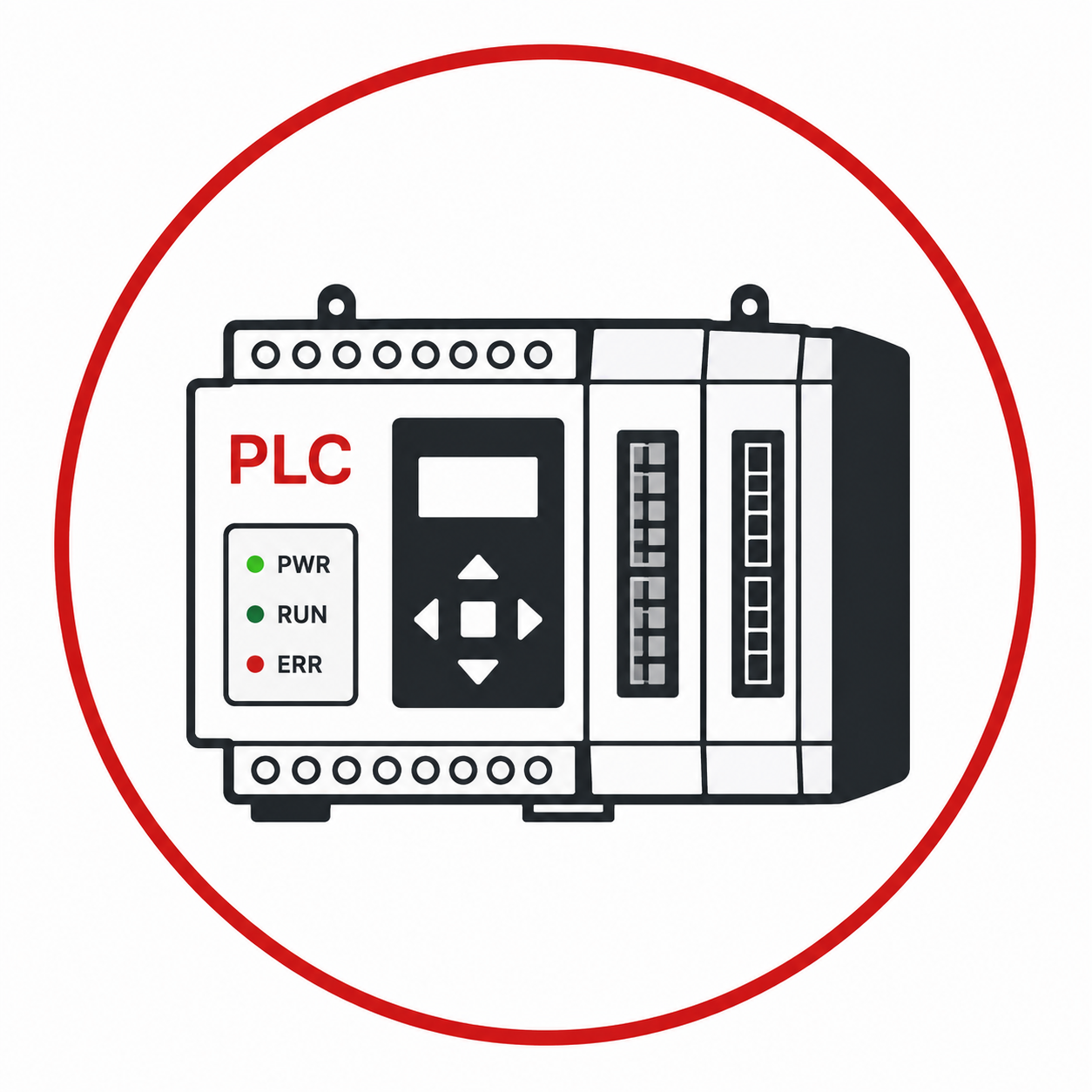
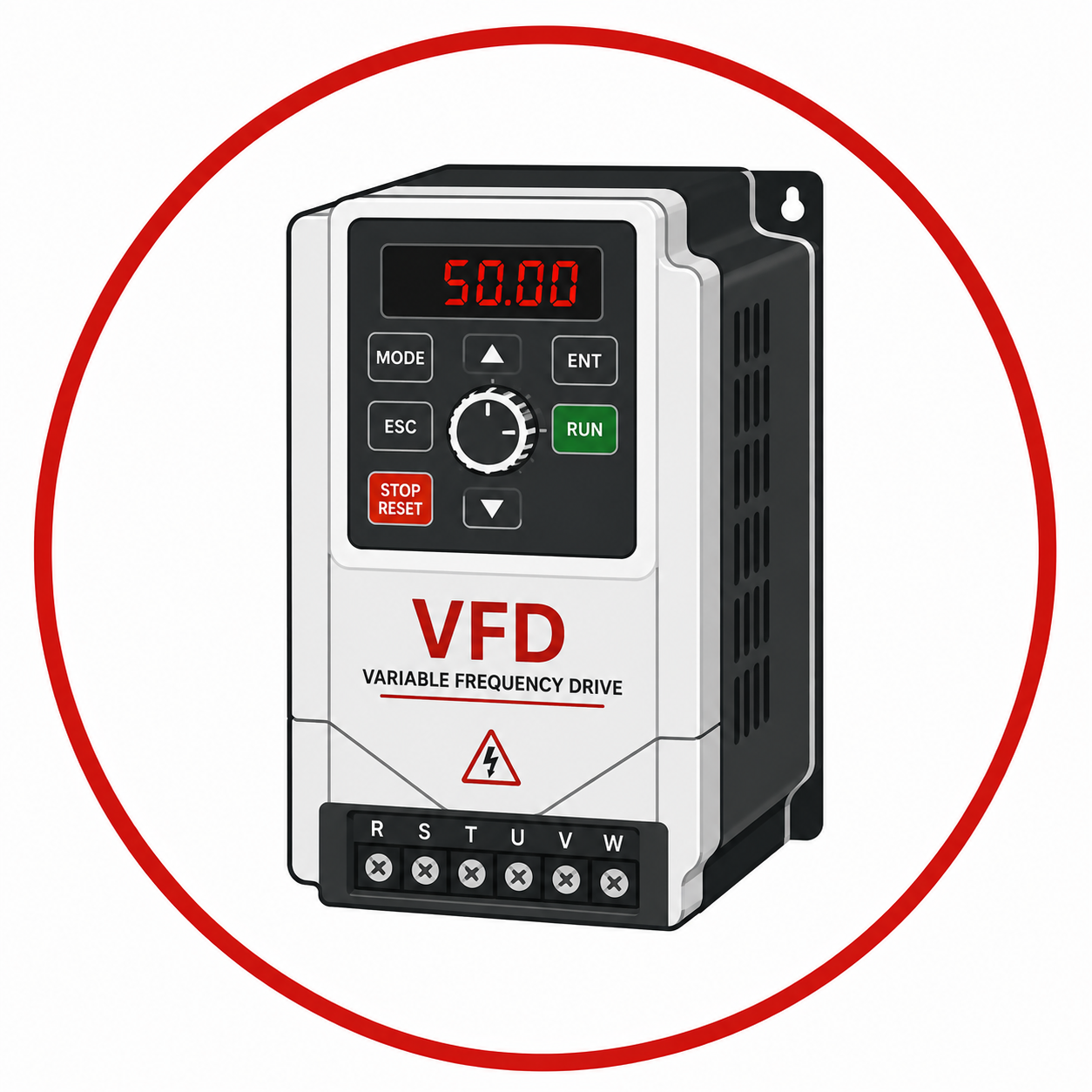
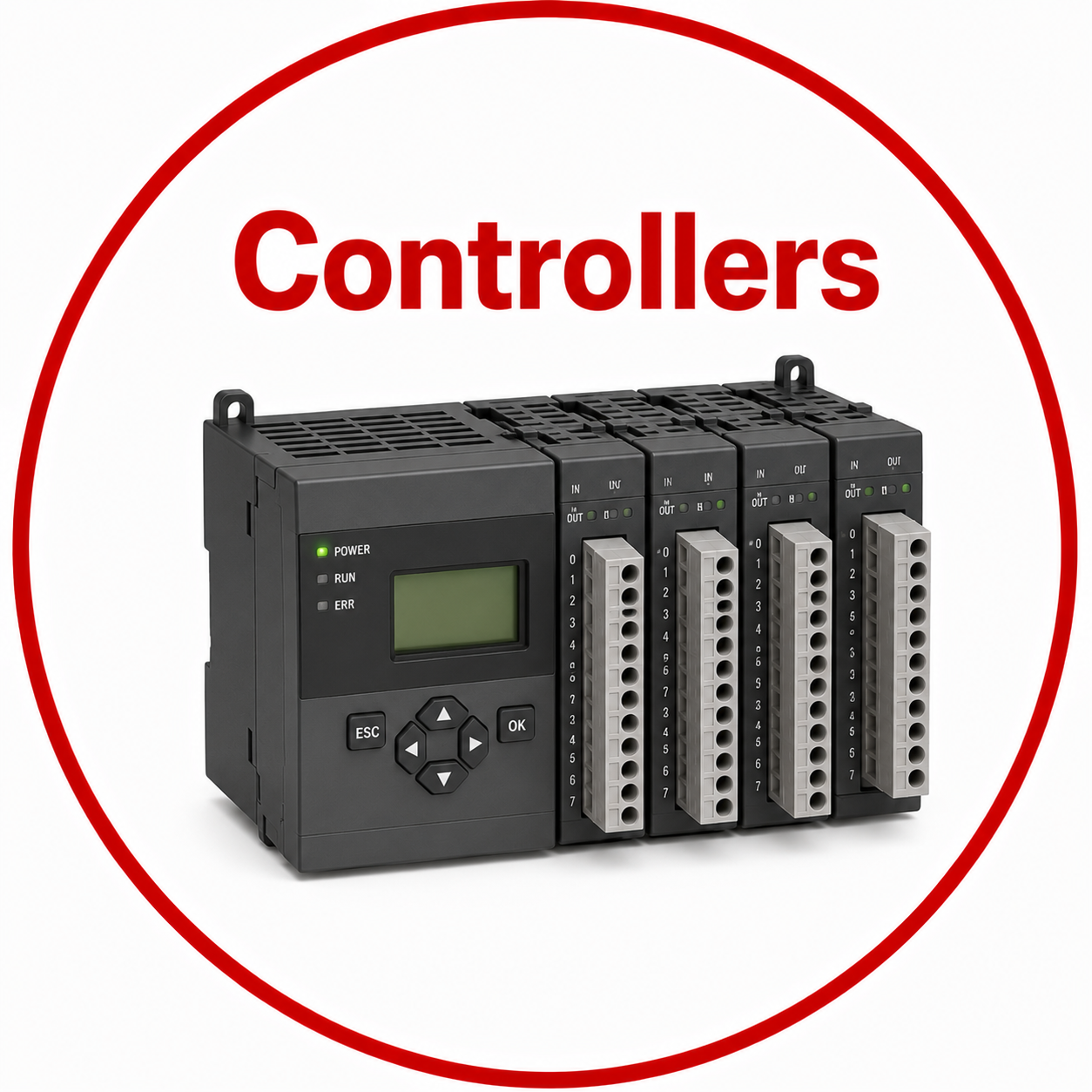
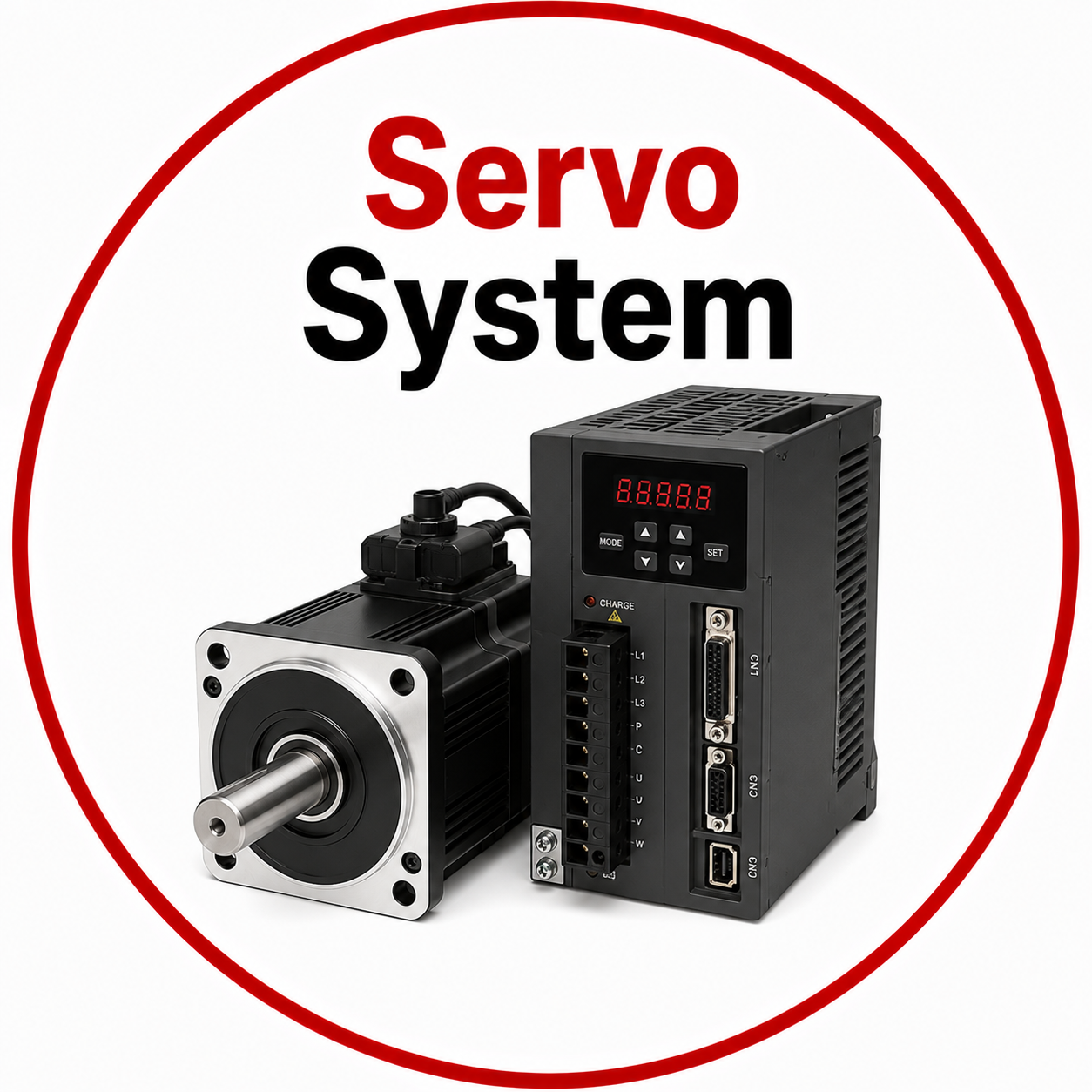
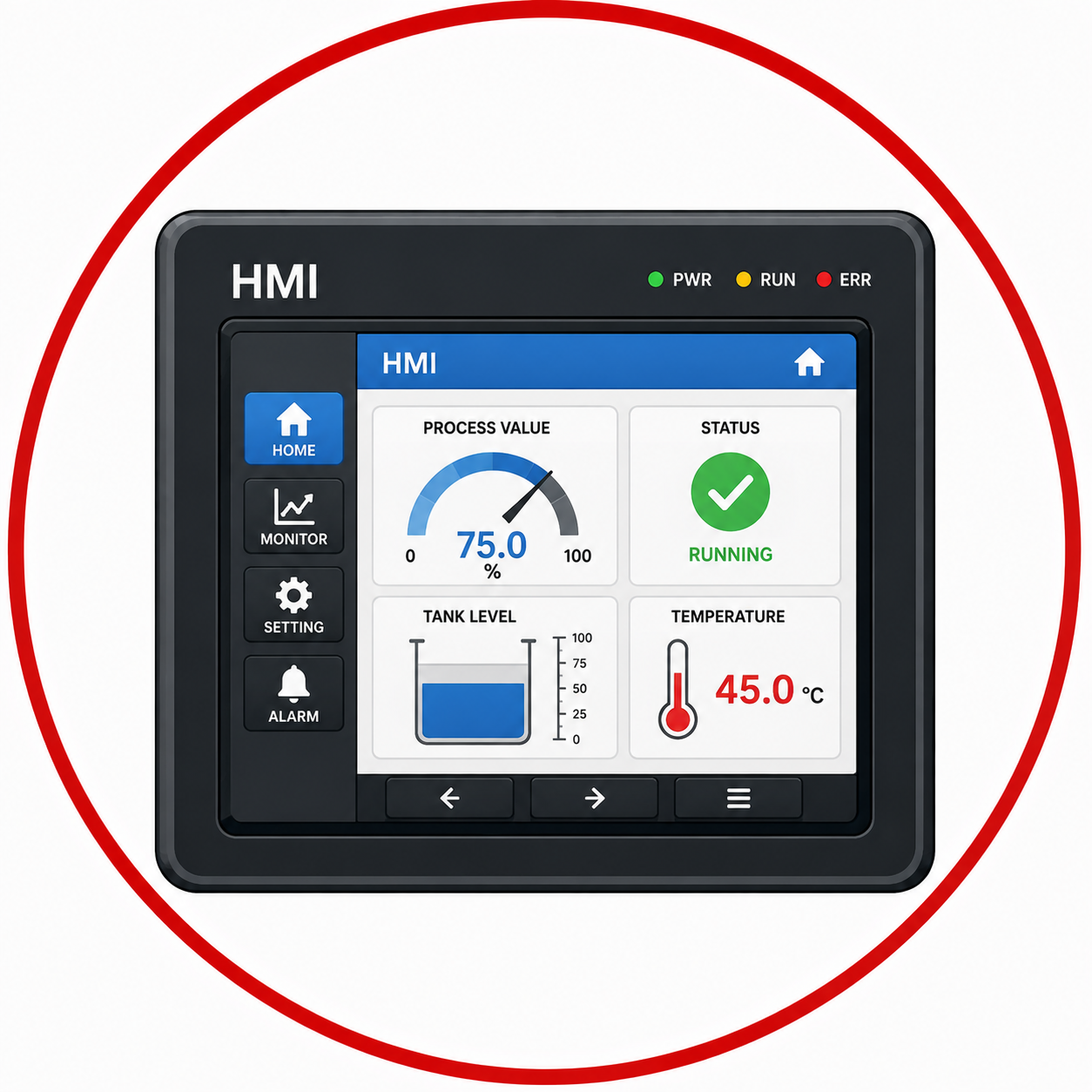
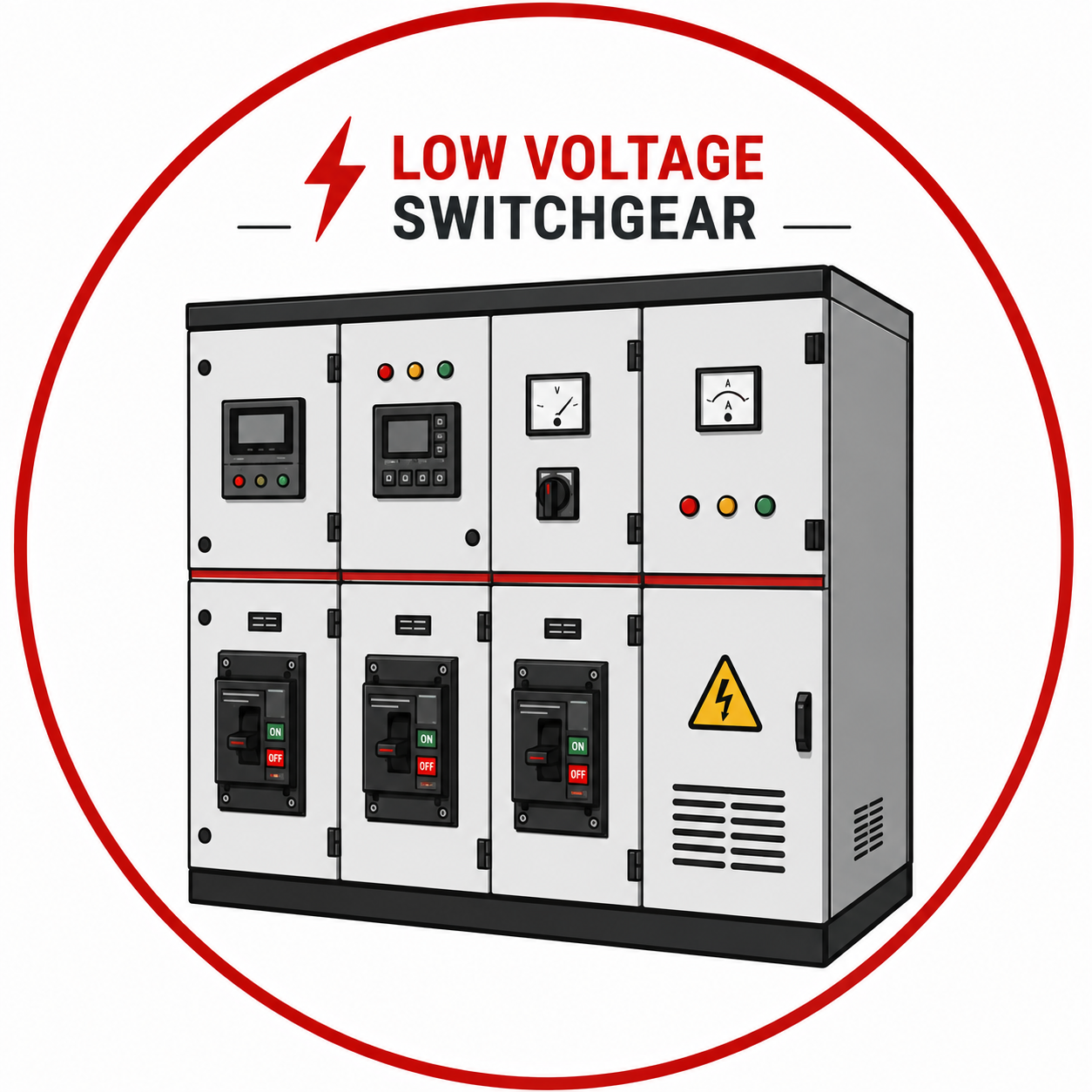
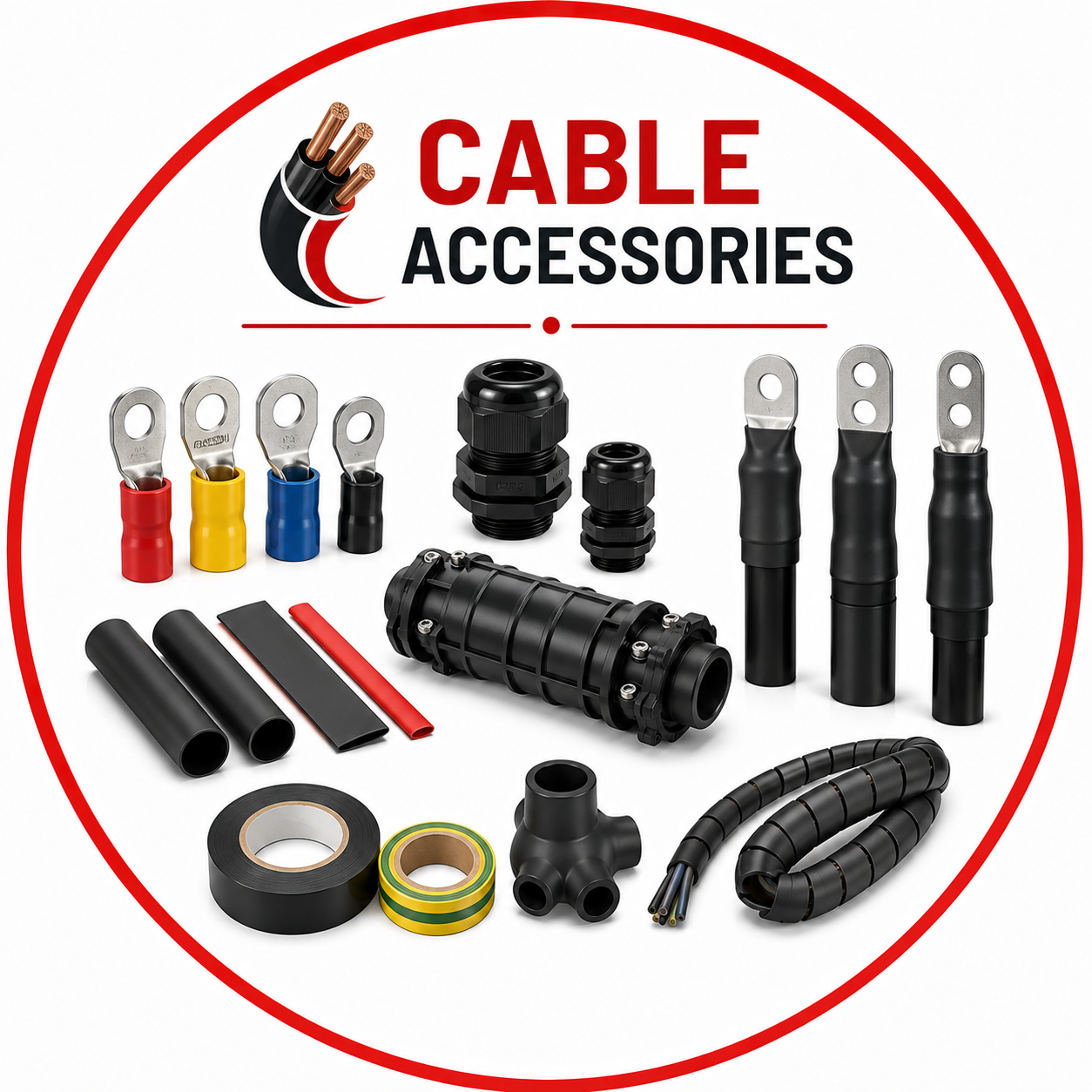
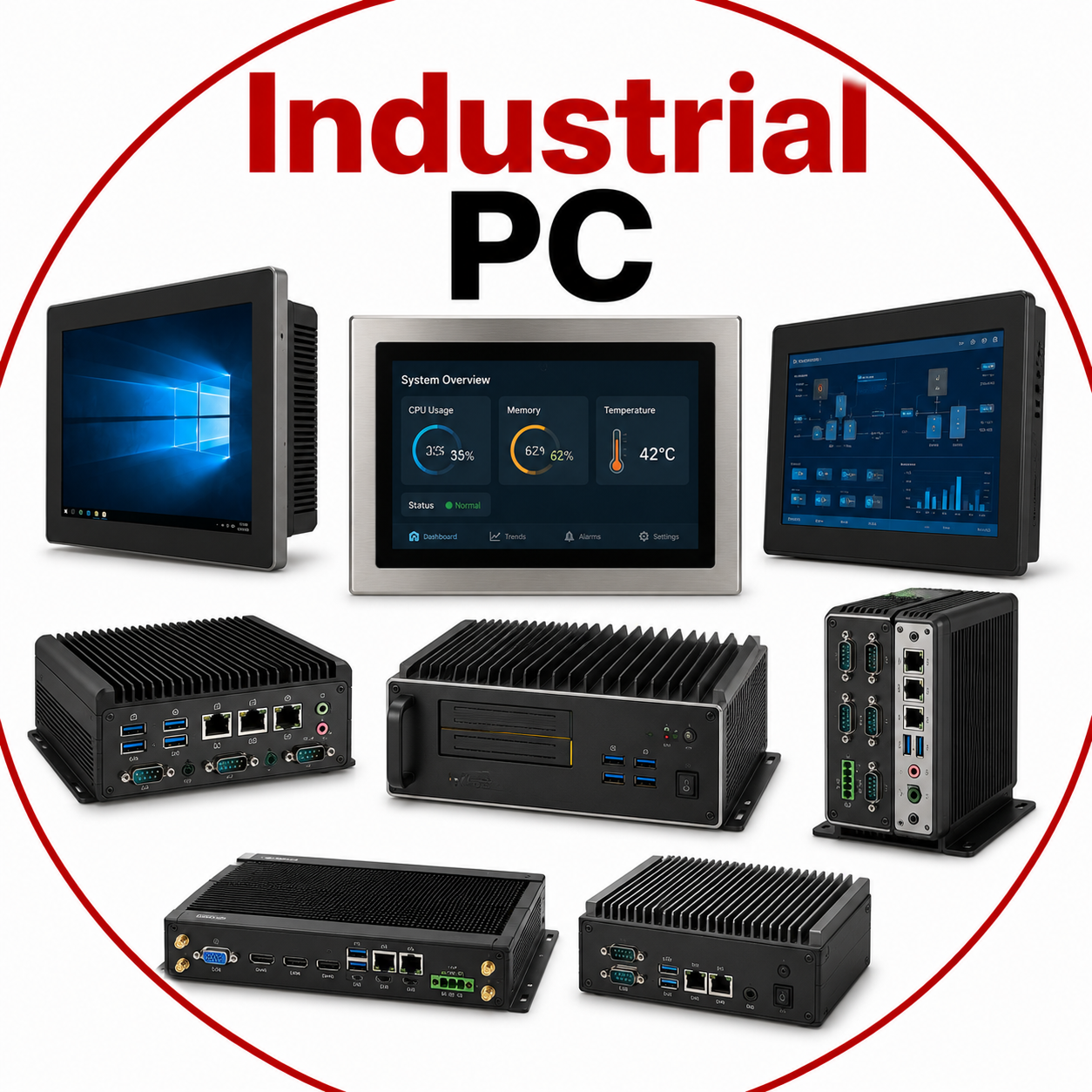
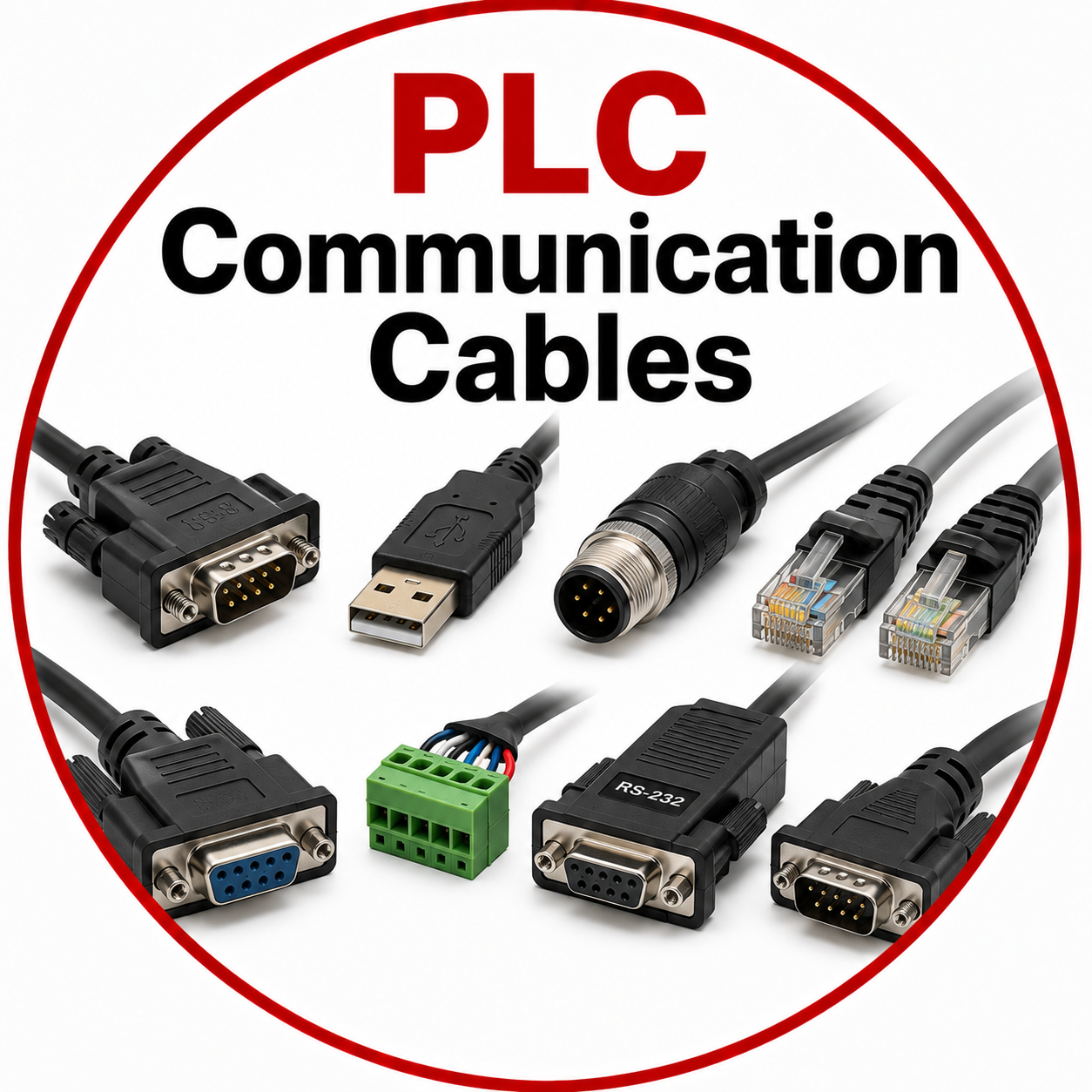
Factory Automation Components for Modern Industries
Factory Automation is the use of control systems, industrial hardware, and intelligent technologies to run manufacturing machinery and processes with minimum human intervention, to achieve maximum throughput, precision, and operational uptime.
iBuzoo's Factory Automation category offers a complete range of industrial-grade components, including PLCs, HMIs, Industrial safety products, servo system, industrial sensors, relays, motion controllers, and industrial networking devices from 100+ trusted OEM brands and verified distributors in India.
Whether you are constructing a new automated production line, upgrading legacy gear, or integrating IIoT into an existing plant, iBuzoo provides specification-driven listings, real-time stock visibility, and competitive bulk pricing all on a single B2B procurement platform.
From discrete manufacturing to process industries, our Factory Automation Components support every stage of your production, delivering reliability, scalability, and technical precision for procurement engineers, plant managers, and EPC contractors.
Buy Factory Automation Products in Nepal
If you run a manufacturing business in Nepal, you already know how much smoother things go when your machines actually work with you - not against you. That's where factory automation products in Nepal come in. The right automation setup can make a real difference in how fast you produce, how exactly your processes run, and how reliably your operations hold up day after day.
The key is choosing products that actually match your technical specs and application needs - not just what's available. Get that right, and you're well on your way to running a genuinely modern, automated facility.
That's where iBuzoo fits in. It's a centralized platform where Nepali businesses and procurement teams can browse industrial automation components, compare options, and make confident purchasing decisions - all in one place.
Factory Automation FAQs – iBuzoo
1. What is factory automation?
At its core, factory automation lets machines handle repetitive, high-volume work using PLCs, drives, and sensors to keep production running consistently without manual intervention at every step. The result isn't just faster output; it's more predictable output. Skilled people stay focused on decisions, problem-solving, and exceptions- the things that actually need a human in the loop.
2. What are the 4 types of automation?
They tend to get grouped into four broad categories, each suited to a different kind of production environment:
a. Fixed automation is built around one task, done repeatedly and cheaply at high volume.
b. Programmable automation can be reconfigured between product batches; some setup time is required, but far more flexible than fixed.
c. Flexible automation takes that a step further, switching between products with minimal downtime and almost no reconfiguration.
d. Integrated automation connects machines, data, and production scheduling across the whole plant, the closest thing to a fully coordinated manufacturing operation.
3. Which companies lead in factory automation?
Globally and in India, names like Siemens, Rockwell Automation, Schneider Electric, Mitsubishi Electric, Omron, and Delta Electronics consistently come up, each with particular strengths across PLCs, drives, motion systems, and sensing. Platforms like iBuzoo source components from many of these brands, giving procurement teams access to multiple product families from one place.
4. How does automation actually help manufacturing?
The most immediate benefit is consistency; machines don't have bad days, don't fatigue, and don't vary their process from shift to shift. Errors drop, cycle times tighten, and quality becomes more predictable across the board. Your team shifts from repetitive tasks to overseeing, inspecting, and handling exceptions, so you can grow output without proportionally increasing headcount.
5. Where can I buy factory automation products in Nepal?
You can explore factory automation products through iBuzoo, including PLCs, HMIs, servo systems, sensors, safety components, relays, motion controllers, and other industrial automation products in Nepal.
6. Can I source different automation components from one platform?
A B2B industrial platform such as iBuzoo can help buyers explore multiple categories, including factory automation, sensors, safety, electrical, instrumentation, mechanical products, and industrial tools.
7. How can I find the right factory automation product for my project in Nepal?
Start by defining your application and technical requirements, then compare suitable products based on specifications, compatibility, quantity, and procurement requirements. You can explore relevant factory automation categories on iBuzoo.