

Pneumatic Components for Industrial Automation
Find reliable pneumatic valves, cylinders, air fittings, and other essential components designed for efficient airflow control, smooth operation, and dependable performance across industrial applications.
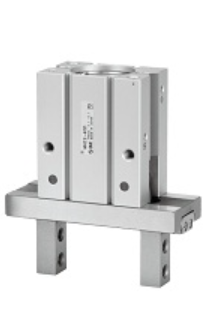
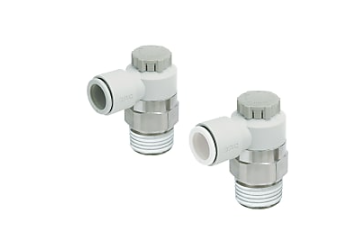
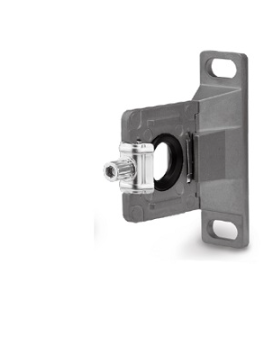
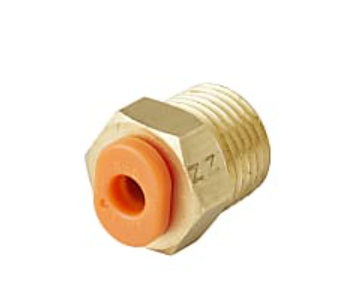
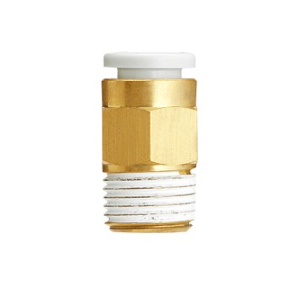
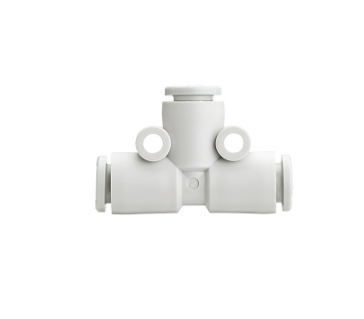
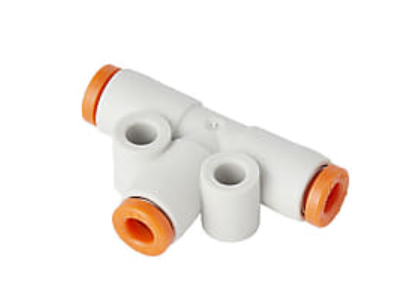
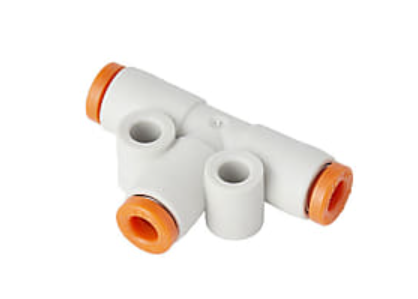
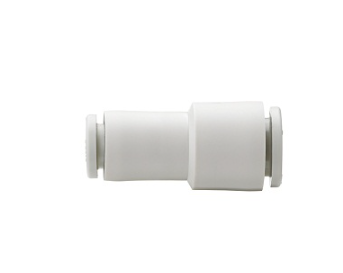
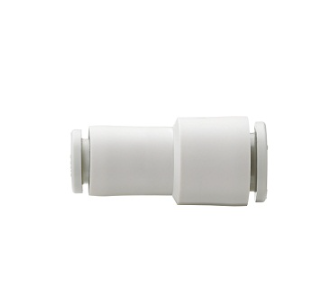
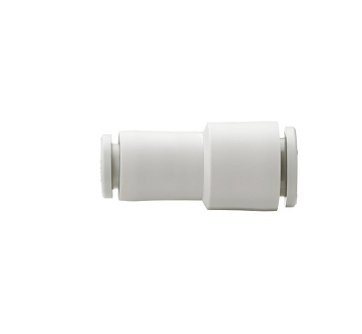
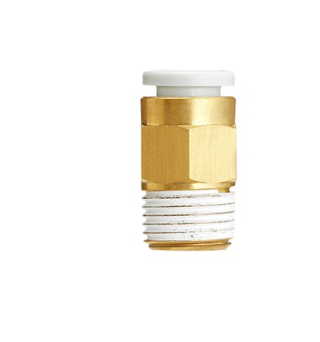
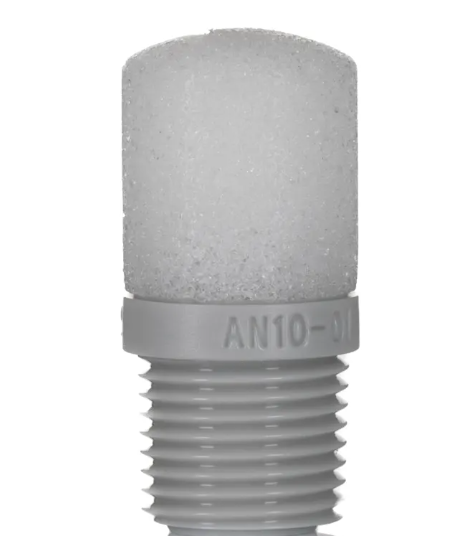

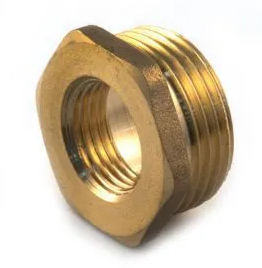
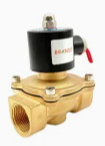
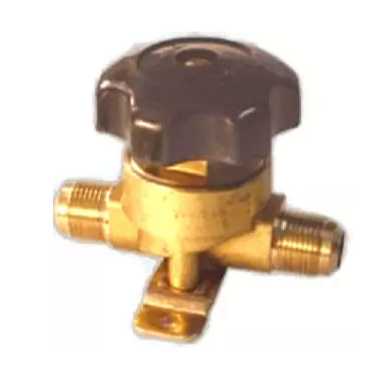
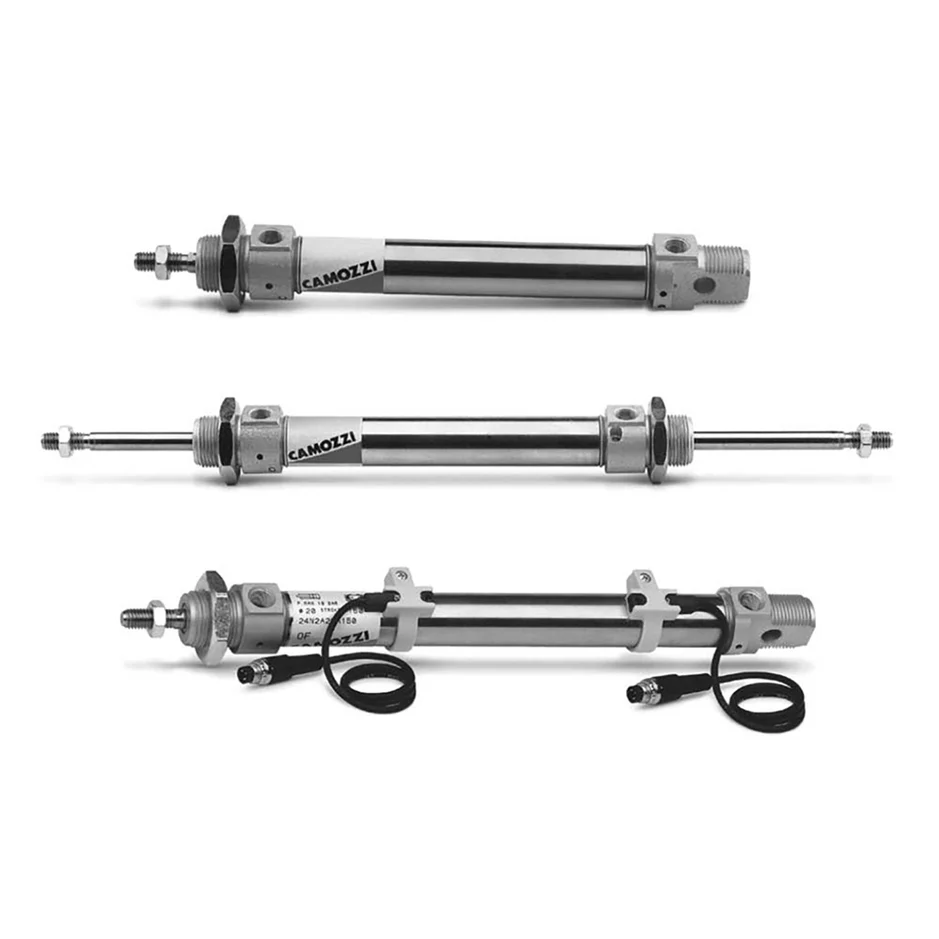
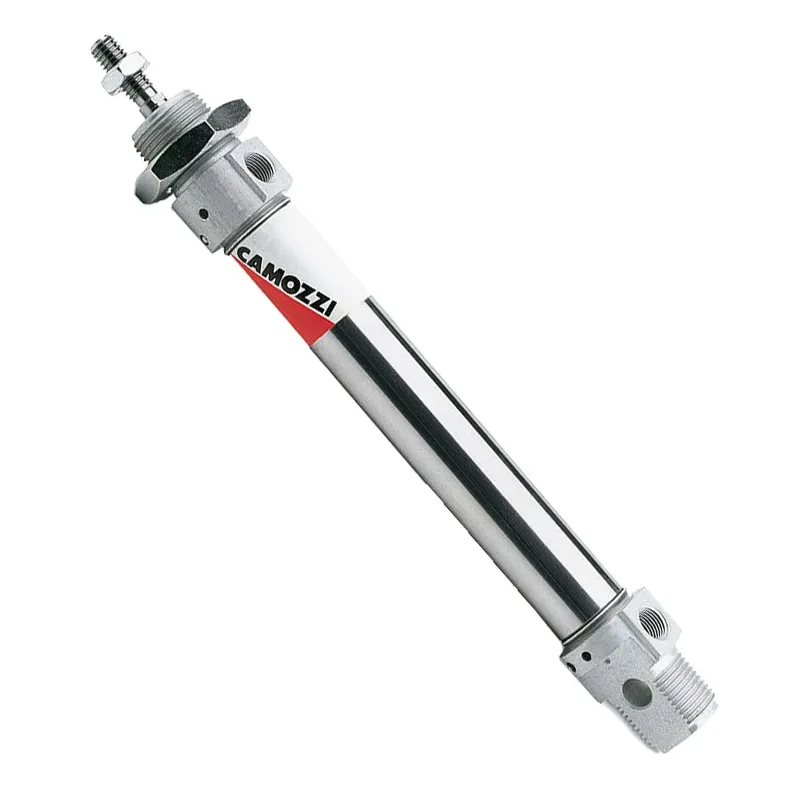
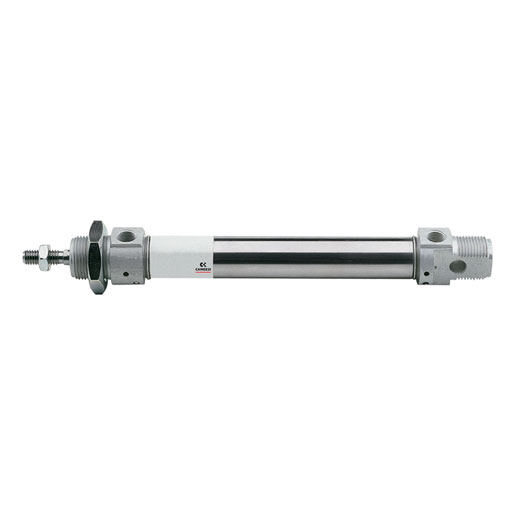
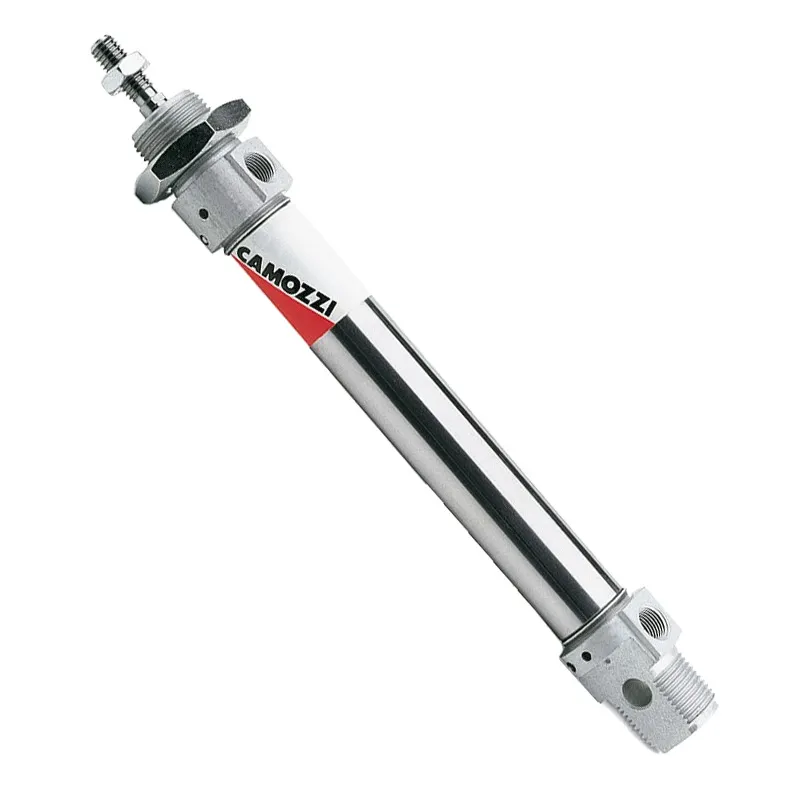
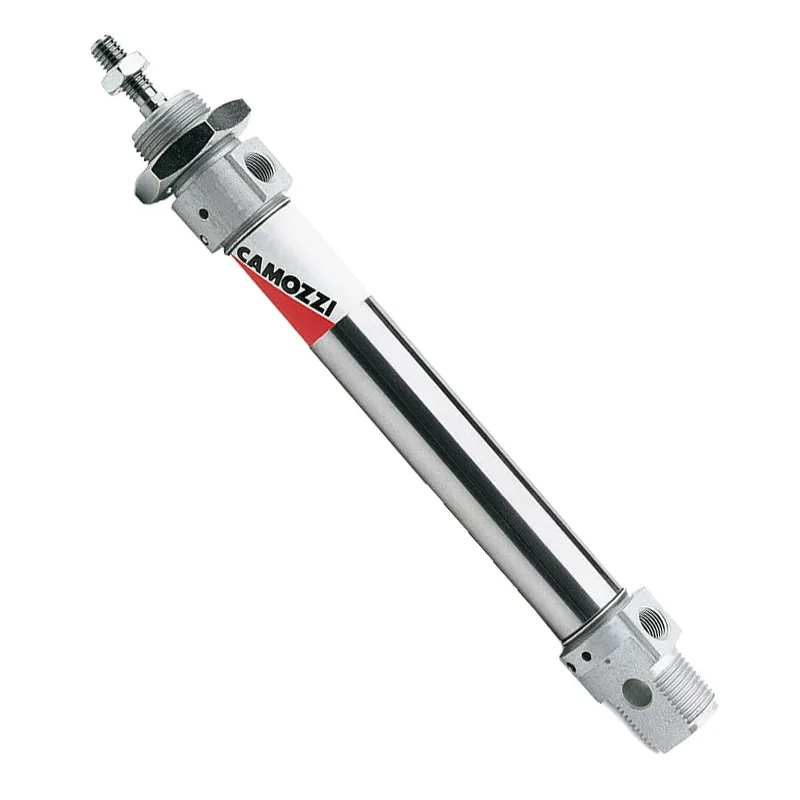
Buy Industrial Pneumatic Components
Pneumatic systems are widely used in industrial automation, actuating grippers, driving cylinders, controlling valves, and handling repetitive, high-cycle tasks that electric actuators aren't always suited for. Choosing the right components from reliable industrial automation products helps keep these systems running smoothly, efficiently, and reliably over time.
Verified OEM brands, authorised distributor stock, real-time availability, competitive pricing for single units and bulk orders, GST-compliant invoicing, and reliable pan-India delivery all support a procurement experience that keeps your project on schedule.
Pneumatic Components FAQs - iBuzoo
1. What are pneumatic components?
Pneumatic components are devices that use compressed air to generate, control, and transmit mechanical motion. Common examples include pneumatic cylinders, valves, air filters, pressure regulators, and air fittings. These industrial mechanical components are essential for the efficient operation of industrial machinery and automation systems.
2. What are the main types of pneumatic components?
The main types of pneumatic components include pneumatic cylinders, solenoid valves, directional control valves, air preparation units, pressure regulators, air filters, lubricators, tubing, and pneumatic fittings. Each component performs a specific function in a pneumatic system.
3. Where are pneumatic components used?
Pneumatic components are widely used in manufacturing plants, packaging machines, automotive assembly lines, material handling systems, food processing equipment, and industrial automation applications. They help perform repetitive operations with speed and consistency.
4. What are the benefits of using pneumatic systems in industrial automation?
Pneumatic systems offer fast operation, simple installation, reliable performance, and relatively low maintenance requirements. They are particularly useful for repetitive tasks such as clamping, lifting, pushing, gripping, and sorting in industrial automation.
5. How do I choose the right pneumatic components?
To select the right pneumatic components, consider the operating pressure, required force, air consumption, operating speed, environmental conditions, connection size, and compatibility with existing equipment. Choosing components that meet your system's specifications helps improve efficiency and reliability.